Understanding Portion Awareness

Educational insights into serving sizes and mindful eating in everyday nutrition

Learn more

Introduction to Portion Awareness

Portion awareness refers to the understanding of appropriate serving sizes in daily meals. This educational resource explores various approaches to recognizing and understanding portion sizes in everyday nutrition.

Different cultures and dietary patterns have varying perspectives on what constitutes an appropriate portion. The concept encompasses visual recognition, measurement understanding, and contextual awareness of food quantities.

This information is presented for educational purposes to help individuals understand the general principles surrounding portion sizes and serving measurements in nutrition science.
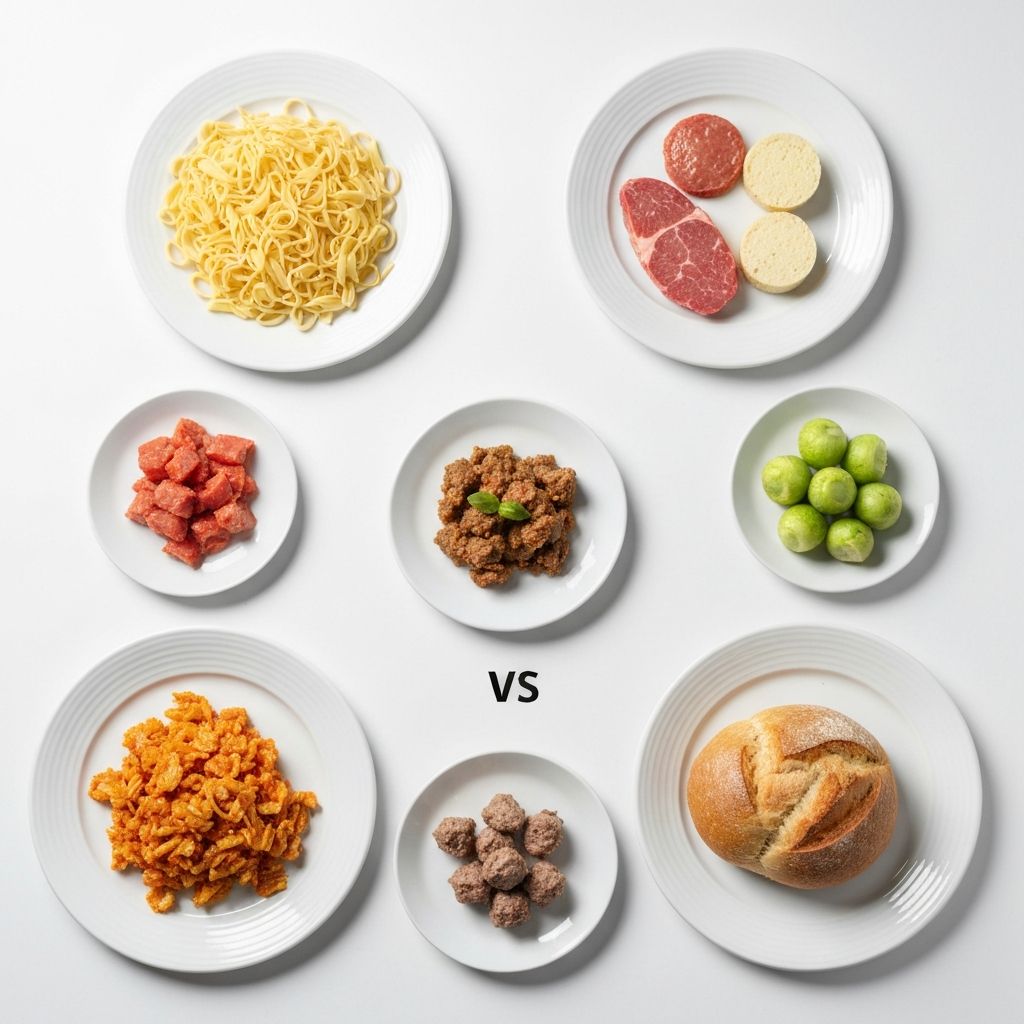
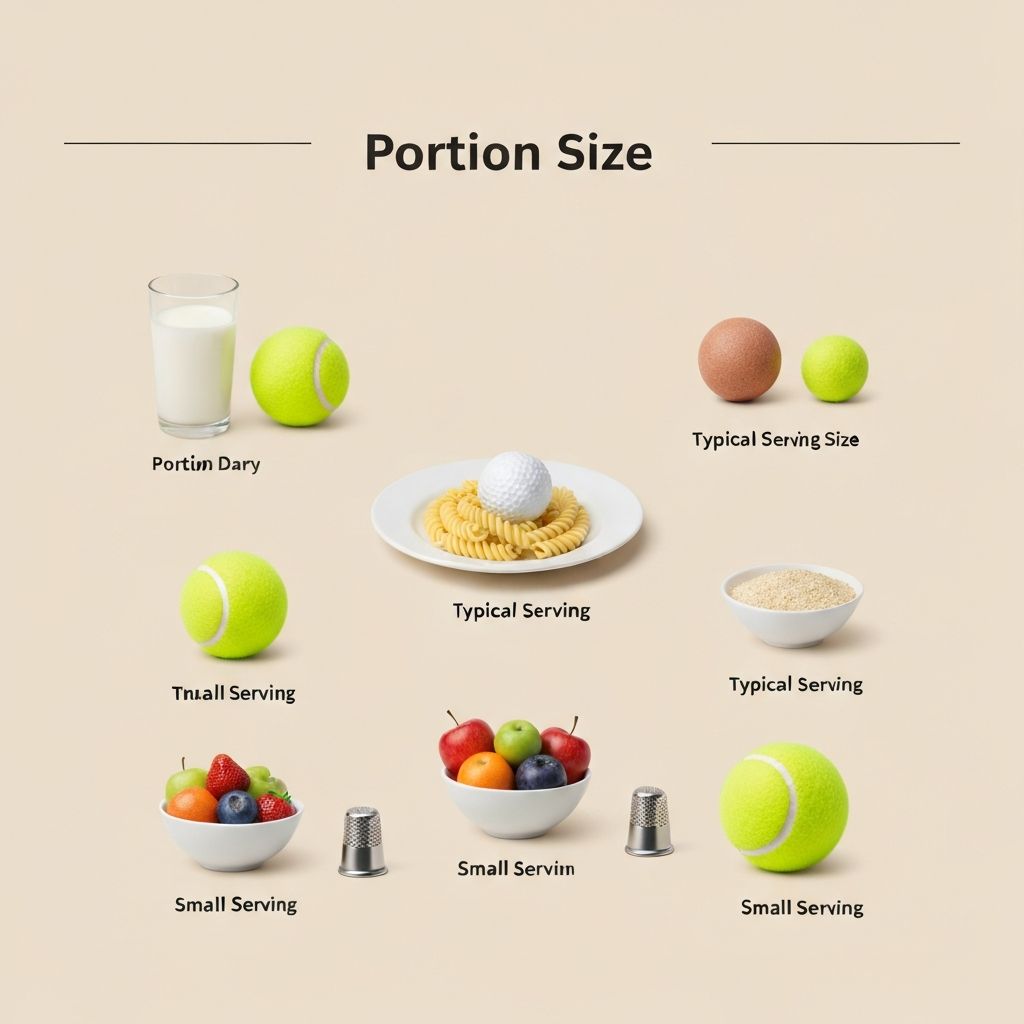
Understanding portion sizes

Visual Guides for Portion Sizes

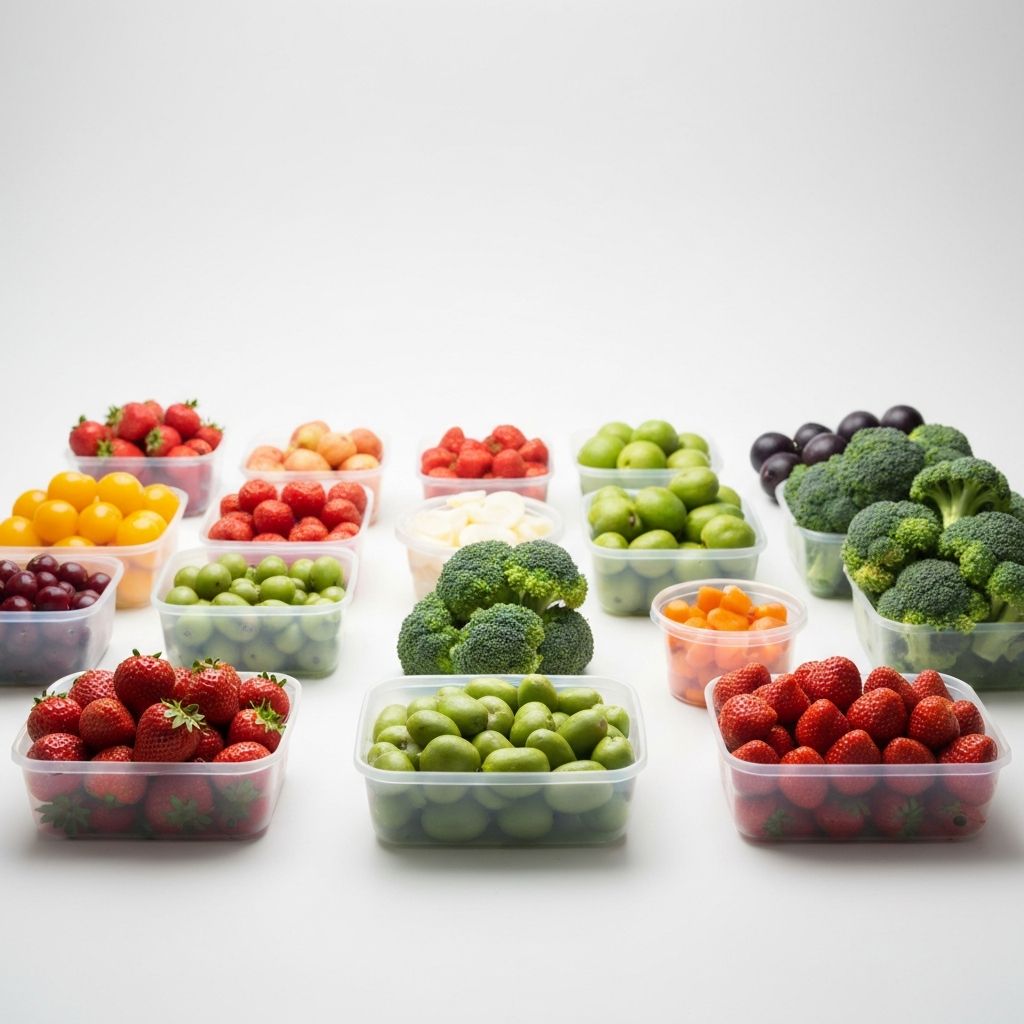
Visual guides serve as educational tools for understanding portion sizes. Common reference points include everyday objects that help illustrate relative quantities of different food groups.

For example, nutritional education often references hand sizes, common household items, or standard measurements to provide context for portion understanding. These visual comparisons exist across various dietary frameworks and cultural contexts.

Such guides are informational in nature and represent general educational concepts rather than specific recommendations for any individual.

Visual portion guides

Daily Application of Portion Awareness

Breakfast Context

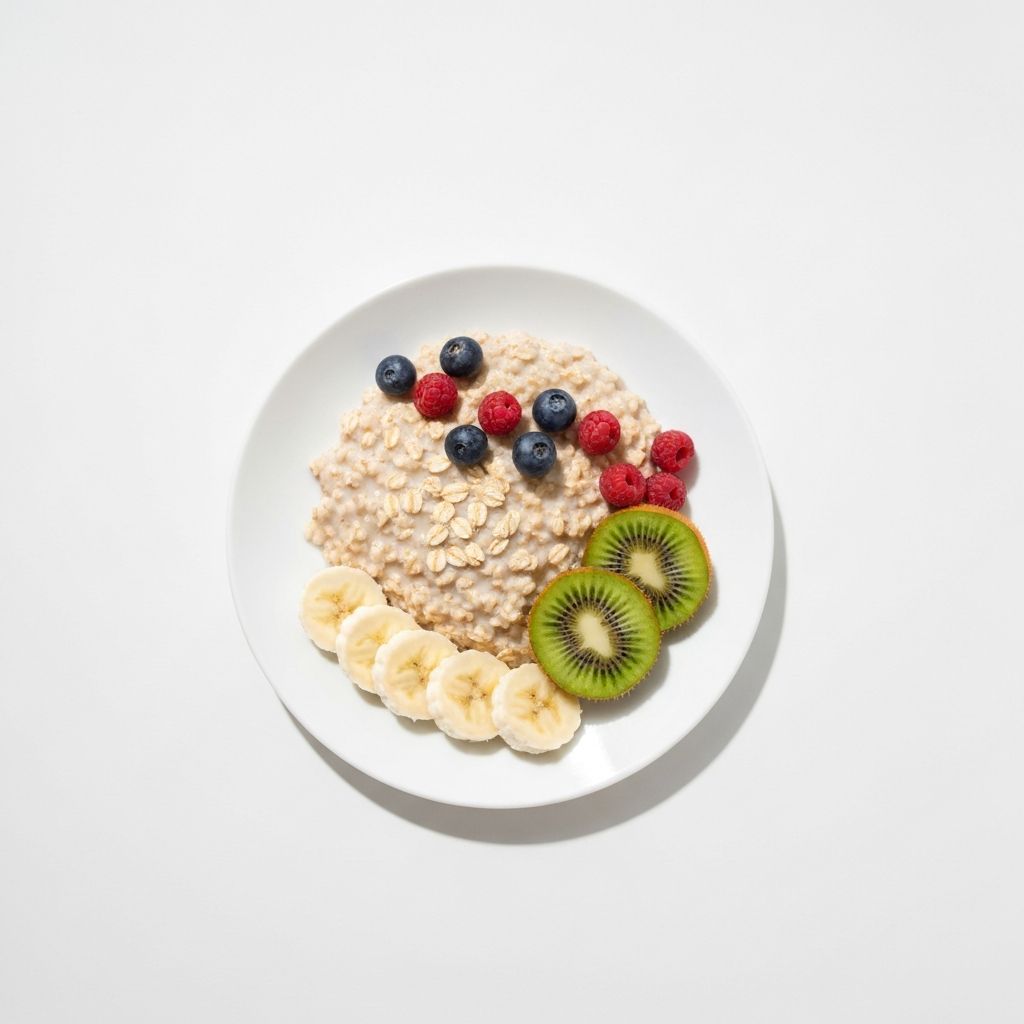
Morning meals vary widely across cultures and individual preferences. Portion awareness in breakfast contexts involves understanding quantities of cereals, fruits, proteins, and beverages.

Midday Meals

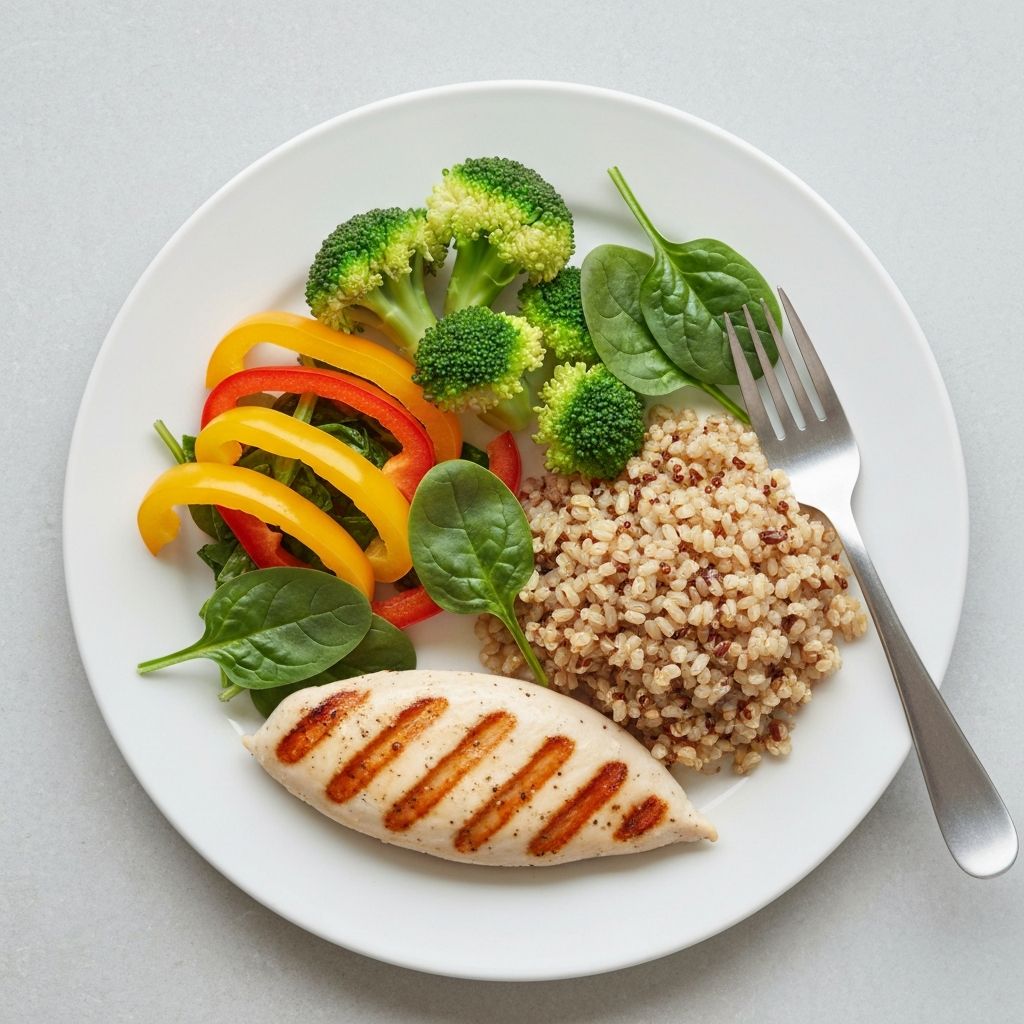
Lunch portions differ based on lifestyle, work environment, and cultural norms. Educational materials often explore balanced approaches to midday nutrition and serving sizes.

Evening Dining

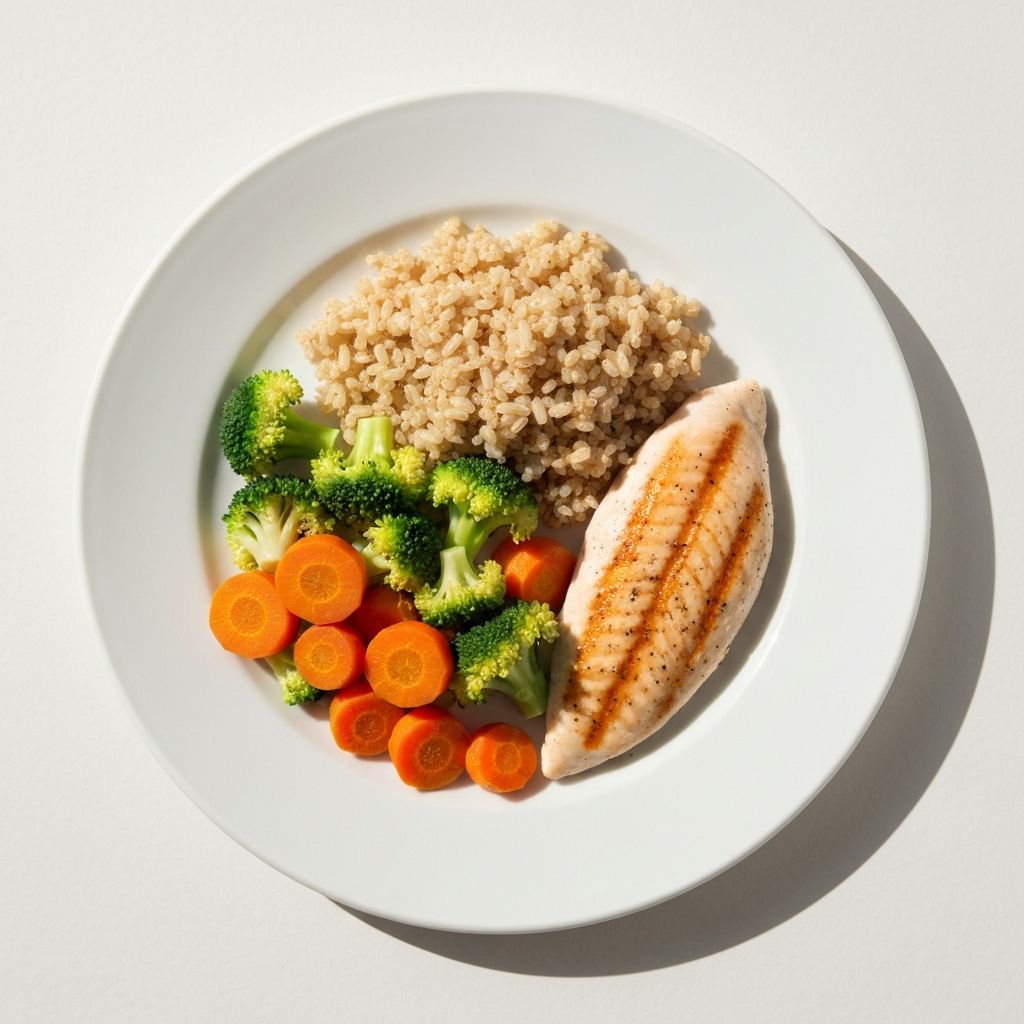
Dinner portions are influenced by numerous factors including daily activity, meal timing, and personal preferences. Understanding context helps frame portion awareness.

Tips for Understanding Serving Sizes

Educational materials on serving sizes often include information about standard measurements, label reading, and comparison techniques. These tips represent general knowledge available in nutrition education.

Understanding serving sizes involves recognizing the difference between a serving and a portion, reading nutrition labels, and being aware of container sizes.

Various organizations provide educational frameworks for understanding serving sizes across different food categories including fruits, vegetables, grains, proteins, and dairy.

Explore further
Serving size tips

Featured Educational Articles

Breakfast portions

Portion Sizes in Breakfast

An educational overview of common breakfast portion sizes and serving measurements.

Read in detail
Lunch portions

Portion Sizes in Lunch

Understanding midday meal portions across different dietary patterns and contexts.

Read in detail
Dinner portions

Portion Sizes in Dinner

Educational insights into evening meal portions and serving size awareness.

Read in detail

Frequently Asked Questions

What is portion awareness?

Portion awareness is the educational concept of understanding serving sizes and quantities in meals. It encompasses knowledge about standard measurements and visual recognition of food amounts.

How are serving sizes determined?

Serving sizes are standardized measurements used in nutrition labeling and education. They are established by regulatory agencies and nutrition organizations for reference purposes.

Are these recommendations?

No, this website provides educational information only. The content explains concepts and presents general knowledge without providing individual advice or recommendations.

Where can I learn more?

Additional educational materials are available in our blog section, which explores various aspects of portion awareness and serving sizes in nutrition.

Educational Context and Limitations

This website provides educational information about portion awareness and serving sizes. All content is informational in nature and does not constitute individual dietary advice, medical guidance, or personalized recommendations.

Portion sizes and serving measurements vary based on individual factors, cultural contexts, and personal circumstances. The information presented represents general educational concepts found in nutrition science.

This resource does not replace consultation with qualified professionals for personal dietary decisions. Individual approaches to nutrition are diverse and should be considered within appropriate contexts.

Educational content only. No medical services. No promises of outcomes.