Portion Sizes in Dinner
February 2026
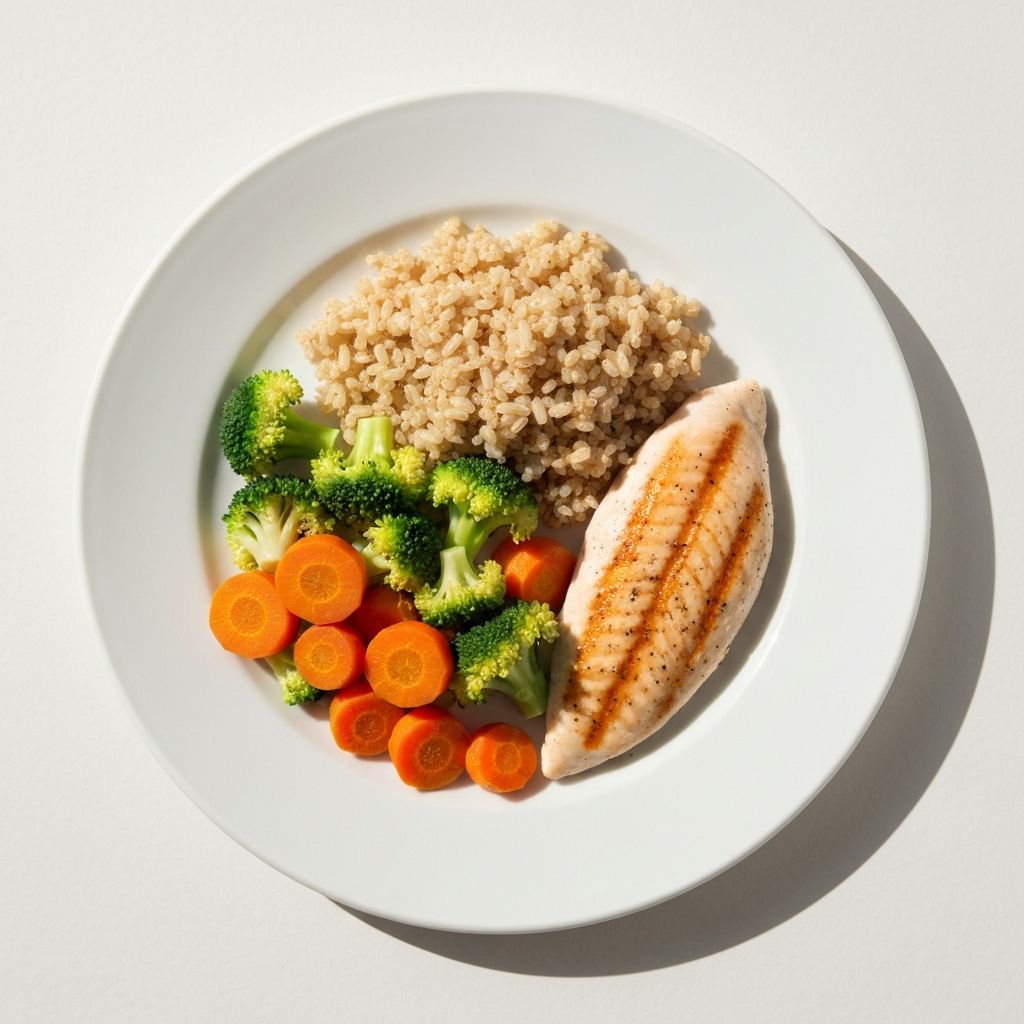
Evening Meal Portion Awareness
Dinner portions vary significantly across cultures, family traditions, and individual circumstances. This educational article explores frameworks for understanding evening meal portion sizes within nutrition education contexts.
In many cultures, dinner represents a primary meal of the day, often shared with family or household members. The social and cultural aspects of dinner influence both its composition and the quantities typically consumed.
Dinner Composition and Balance
Educational materials on dinner portions often describe meals that include multiple components from different food groups. Traditional frameworks suggest including vegetables, protein sources, and grain or starch components, though actual patterns vary considerably.
The concept of a balanced dinner exists within various dietary traditions with different specific interpretations. These educational frameworks provide context for understanding portion awareness rather than prescriptive meal plans.
Vegetable Components
Vegetables are frequently emphasized in nutrition education materials about dinner composition. Serving sizes for vegetables at dinner are typically described using volume or weight measurements.
Educational resources often suggest that vegetables can occupy a significant portion of the dinner plate, though actual practices vary based on cultural traditions and personal preferences. These descriptions are informational rather than directive.
Protein Portions at Dinner
Evening meals commonly include protein sources such as meat, poultry, fish, legumes, or plant-based alternatives. Standard serving sizes for these proteins are described in nutrition education using weight measurements, typically in ounces or grams.
Visual comparison methods are also used in educational contexts, such as comparing protein portions to common objects or hand sizes. These tools provide general reference points for understanding relative quantities.
Grains and Starches
Dinner often includes grain-based or starchy components such as rice, potatoes, pasta, or bread. Serving sizes for these items are described using various measurements including cups for cooked grains or count-based units for items like potatoes.
Different dietary traditions have varying emphases on grain portions at dinner. Educational materials acknowledge this diversity in presenting information about serving sizes.
Timing and Portion Relationships
The timing of dinner relative to other daily meals and activities influences portion patterns. Evening meals consumed later in the day may differ in size or composition from earlier dinners.
Educational discussions of portion awareness sometimes include considerations of meal timing and distribution of food intake throughout the day, though these patterns are highly individual.
Family-Style Versus Plated Meals
The serving style affects portion awareness differently. Family-style meals where food is placed on the table for self-service involve different portion considerations than pre-plated meals with predetermined quantities.
Nutrition education materials discuss these different contexts and their relationship to portion awareness. Neither style is inherently better, but they relate to portion control in different ways.
Cultural Dinner Traditions
Dinner traditions vary dramatically across cultures. Mediterranean dinner patterns differ from Asian, Latin American, or Northern European traditions in timing, composition, and typical portion sizes.
Some cultures traditionally include multiple courses at dinner, while others prefer single-course meals. Understanding this cultural diversity is essential to comprehensive nutrition education about portion sizes.
Restaurant and Home-Cooked Dinners
Dinner portions at restaurants often differ substantially from home-cooked meal portions. Educational materials on portion awareness note that restaurant servings frequently exceed standard serving sizes listed in nutrition references.
Understanding these differences is part of portion awareness education. Recognizing when portions exceed standard reference amounts helps individuals make informed decisions in various dining contexts.
Plate Size and Visual Cues
Educational resources discuss how plate size influences portion perception. Larger plates can make the same quantity of food appear smaller, while smaller plates create the opposite visual effect.
The concept of plate composition, sometimes called the plate method, divides the dinner plate into sections for different food types. This visual approach exists in various forms across different dietary education frameworks.
Seasonal and Situational Variations
Dinner patterns and portions may vary seasonally, with lighter meals common in warmer months and heartier portions in colder seasons. Special occasions, holidays, and social gatherings also affect typical dinner portions.
These variations are natural aspects of human dietary patterns. Nutrition education acknowledges that eating patterns are not static but respond to various environmental and social factors.
Understanding Hunger and Fullness
Educational materials on portion awareness often include information about recognizing internal signals of hunger and fullness. This aspect of nutrition education focuses on awareness rather than prescriptive rules.
Individual responses to food quantities vary based on numerous factors including activity levels, metabolic differences, and psychological aspects of eating. Educational content presents these concepts as general information within nutrition science.